
Valo-Valmennusyhdistys coordinated and implemented the EU-PROMENS programme in Finland, aiming to strengthen the skills of mental health professionals and enhance international cooperation in mental health promotion. The programme is part of the European Commission’s EU4Health initiative and involves organisations from 29 European countries.
During the programme, Valo organised two international exchange programmes in Finland, bringing together approximately 150 professionals from across Europe. In addition, approximately 100 Finnish professionals participated in EU-PROMENS training activities. Participants represented a wide range of fields, including mental health, social services, education and youth work.
The feedback received by Valo was excellent. Participants particularly appreciated the opportunity to learn about Finnish practices first-hand and to engage in open discussions about experiences and solutions from different countries.
Mental Health Should Be Promoted, Not Only Problems Prevented
One theme stood out above all others during the exchange programmes: mental health should be actively promoted, not only protected when problems arise.
“Throughout the exchanges, we repeatedly returned to the idea that we should talk more about promoting mental health rather than only preventing problems. Mental health belongs to everyone, and it is built not only when people face difficulties, but every day as part of ordinary life,” says Benita Barman, the coordinator responsible for the EU-PROMENS programme at Valo.
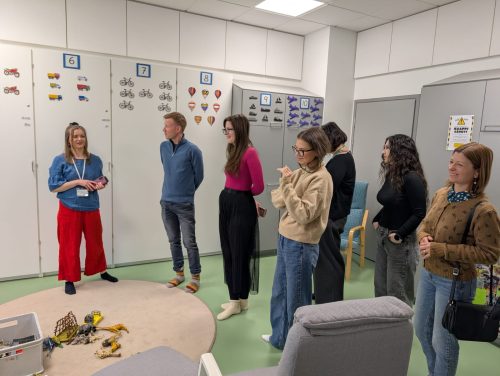
Finnish approaches attracted considerable interest among participants. During the visits, they explored schools, civil society organisations and community-based initiatives that strengthen wellbeing through everyday encounters and social participation.
“In many countries, mental health is still discussed primarily from the perspective of services and treatment. In Finland, there is also a strong focus on how wellbeing can be strengthened before formal services are needed. This includes supporting children and young people, fostering social inclusion, building communities and creating safe spaces for people to connect,” Barman explains.
Trust, Nature and Community Sparked Interest
Participants also had the opportunity to learn more about Finnish society and reflect on its relationship with wellbeing.
Discussions highlighted themes such as people’s connection to nature, sauna culture, schools and the high level of trust between citizens and institutions. For many visitors, it was striking to see how visible trust is in everyday Finnish life.
“Finland is often described as the happiest country in the world, but participants were especially interested in understanding what wellbeing is built on. Trust, community and opportunities to participate in society emerged repeatedly in our discussions. These are also important factors in supporting mental wellbeing,” says Barman.
At the same time, the exchanges offered an opportunity to reflect critically on Finnish services. Discussions covered topics such as access to mental health services, user fees, long travel distances and challenges related to receiving support when needed.
Civil Society Organisations Play an Important Role in Mental Health Promotion
One of the topics that attracted the greatest interest was the role of Finnish civil society organisations in promoting mental wellbeing.
During the exchanges, participants visited initiatives where wellbeing is strengthened through peer support, community engagement, social inclusion and meaningful activities.
“In many countries, the role of civil society organisations is much smaller. Participants were interested in how much work is done in Finland to support people’s wellbeing outside the healthcare system. Mental health can be strengthened in many ways through communities, hobbies, voluntary activities and different kinds of meeting places,” says Barman.
According to her, the most valuable outcome of the exchange programmes was the opportunity to pause and reflect together on what truly supports mental wellbeing.
“Many everyday things contribute to wellbeing: meaningful activities, community, nature, trust and the opportunity to feel seen and included. Mental health should be actively promoted – not only addressed once problems emerge.”
Valo-Valmennusyhdistys would like to thank all participants and GFA Consulting Group for the excellent cooperation throughout the programme.